
Author : By Sonali Sachdeva, Senior Project Coordinator- Communications, ACCESS Development Services
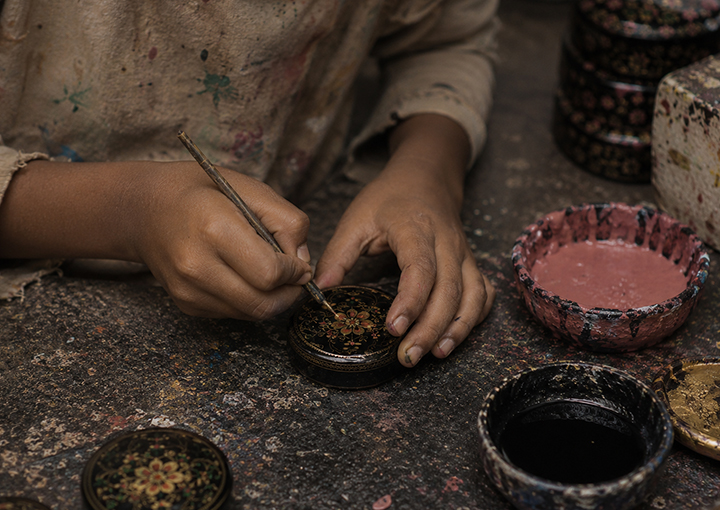
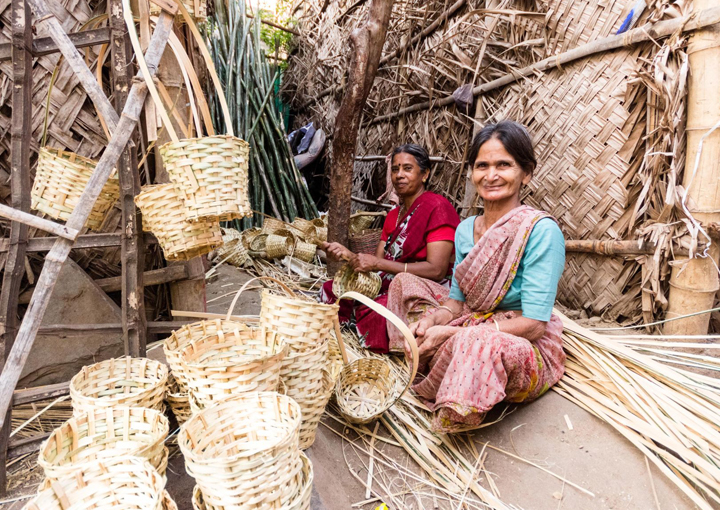
Rural women sustaining crafts and livelihoods. (Photo: ACCESS)
As the world marks International Labour Day, a quiet transformation is underway. Faced with changing job patterns, digital disruption, and evolving aspirations for independence, many Indians are moving from traditional wage labour towards self-employment. For millions, entrepreneurship is no longer just an alternative livelihood path; it is becoming a necessity and an opportunity. This shift must also be viewed in the context of India’s longstanding labour realities. According to the Centre for Labour Research and Action (CLRA), formal workers constituted only up to 8 percent of India’s workforce, while nearly 92 percent remained in the informal economy (NCEUS Report, 2004–05), where seasonal migration often became the dominant mode of labour engagement. This vast pool of what researcher Jan Breman termed “footloose labour” has long navigated insecure and irregular work, making the rise of self-employment not just a trend, but a structural response to changing livelihood needs.
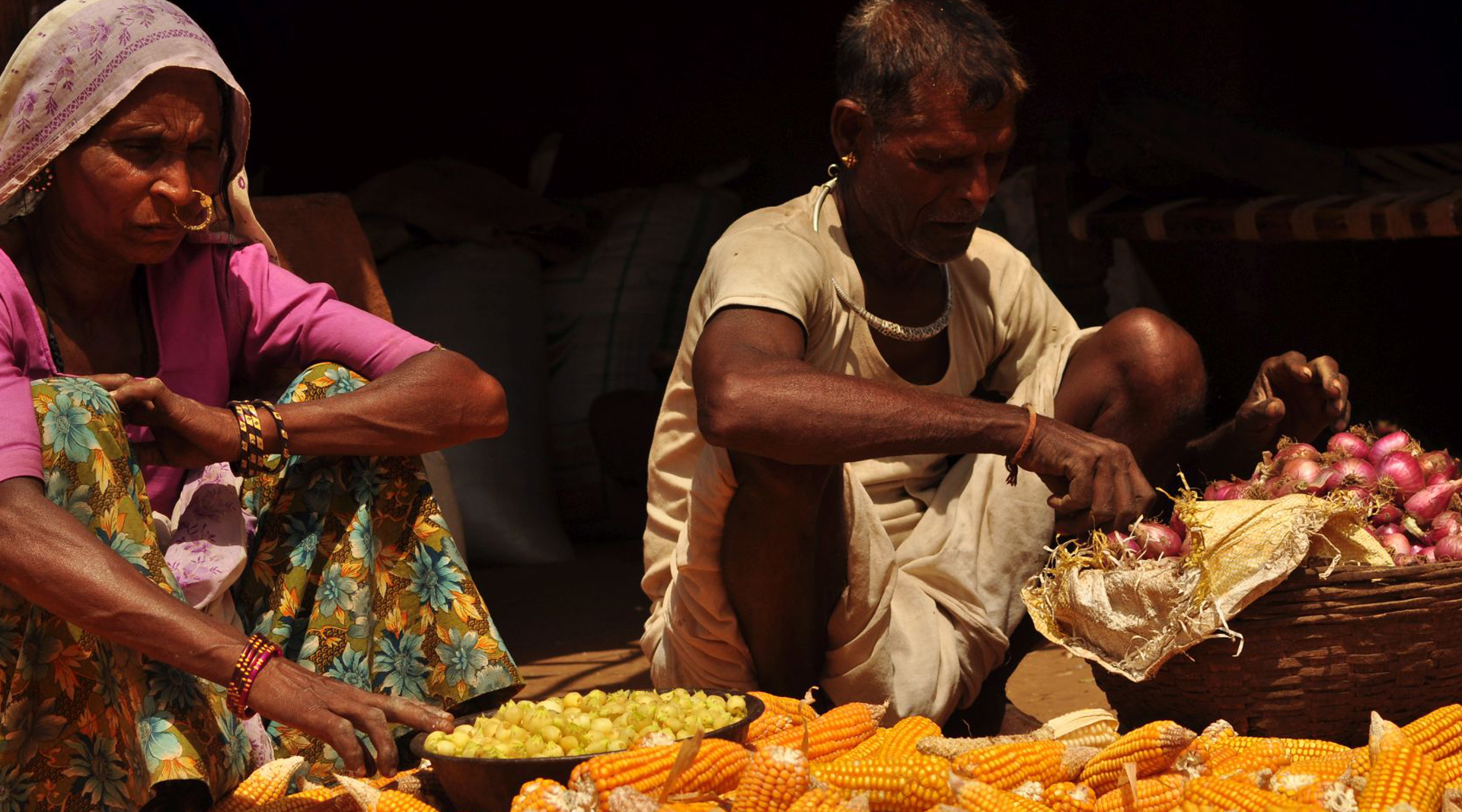
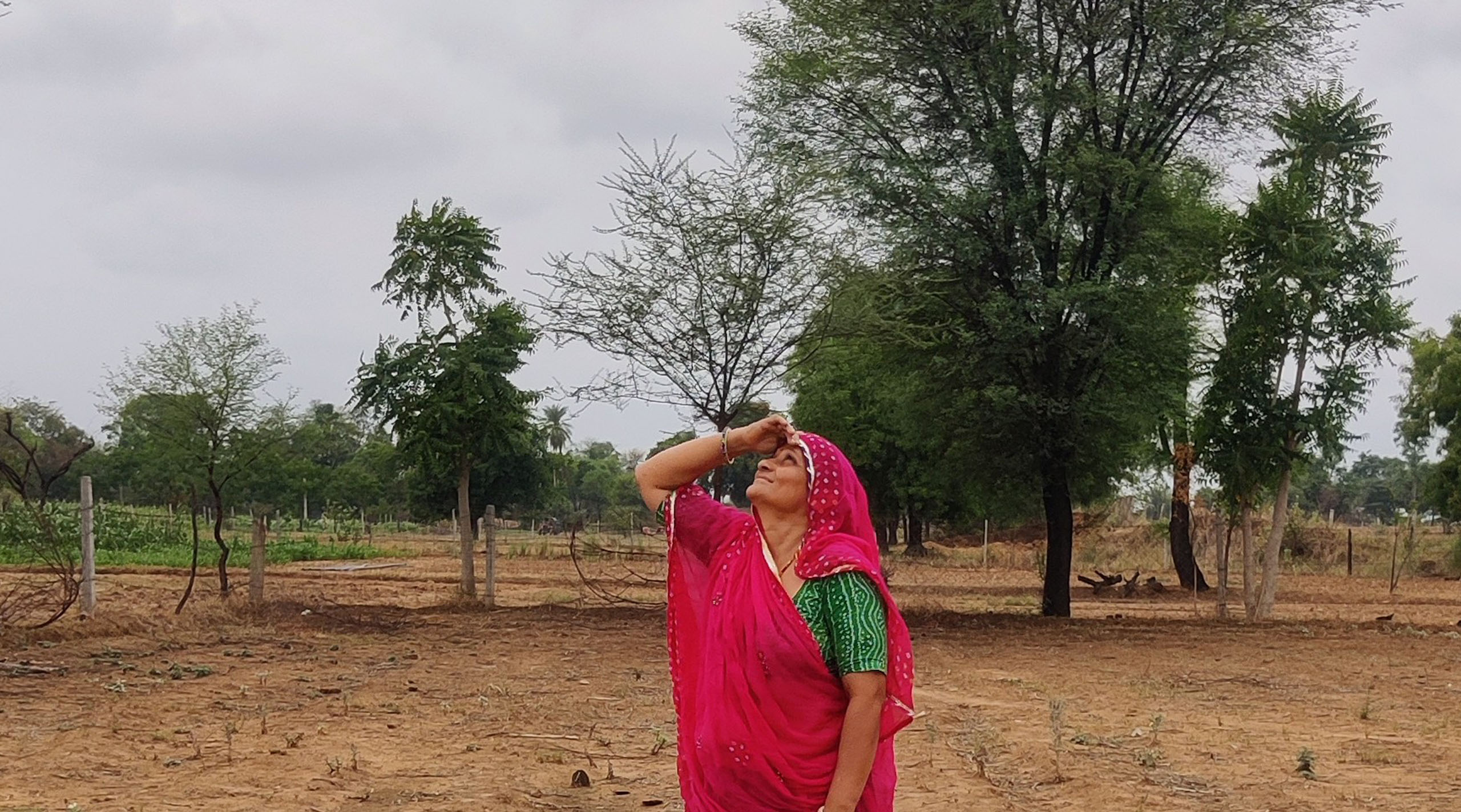
Maize farming in action under the Mukhyamantri Maka Mission Project (Photo: ACCESS)
Government initiatives such as PM MUDRA Yojana, PM Formalisation of Micro Food Enterprises (PMFME), Deendayal Antyodaya Yojana – National Urban Livelihoods Mission (DAY-NULM), and women-focused schemes like Lakhpati Didi are accelerating this shift. These interventions are enabling aspiring entrepreneurs, especially women, to access credit, skills, and market opportunities. Across India, women-led enterprises are rising from agri-allied ventures and food processing units to handicrafts and service businesses, signaling a deeper shift in the country’s labour landscape.
In this evolving scenario, ACCESS Development Services has been a strong changemaker for the past 20 years, strengthening livelihoods through skilling, enterprise development, and financial inclusion. By supporting small producers, women entrepreneurs, and self-help group members with business development services, training, and access to finance, ACCESS has helped transform livelihood opportunities into sustainable enterprises. Its work recognises that self-employment can only grow when backed by the right ecosystem of support. Through ACCESS’s Business Capability Building Programme, implemented across three projects, more than 18,000 women embarked on their entrepreneurial journeys.
Puja Gour, Vice President- Livelihoods India, ACCESS Development Services says “Over the past two decades, we have learned that lasting change in livelihoods happens gradually, through facilitation and putting in place systems that actually work for the communities. On Labour Day, we acknowledge the hard work of the millions of small producers and entrepreneurs we have had the privilege of walking alongside, and reaffirm our commitment to building the enabling environment they deserve.”
The journey of rural and grassroots entrepreneurs demonstrates this shift. Many women who once relied on irregular wage labour are today building micro-enterprises and becoming job creators in their communities.
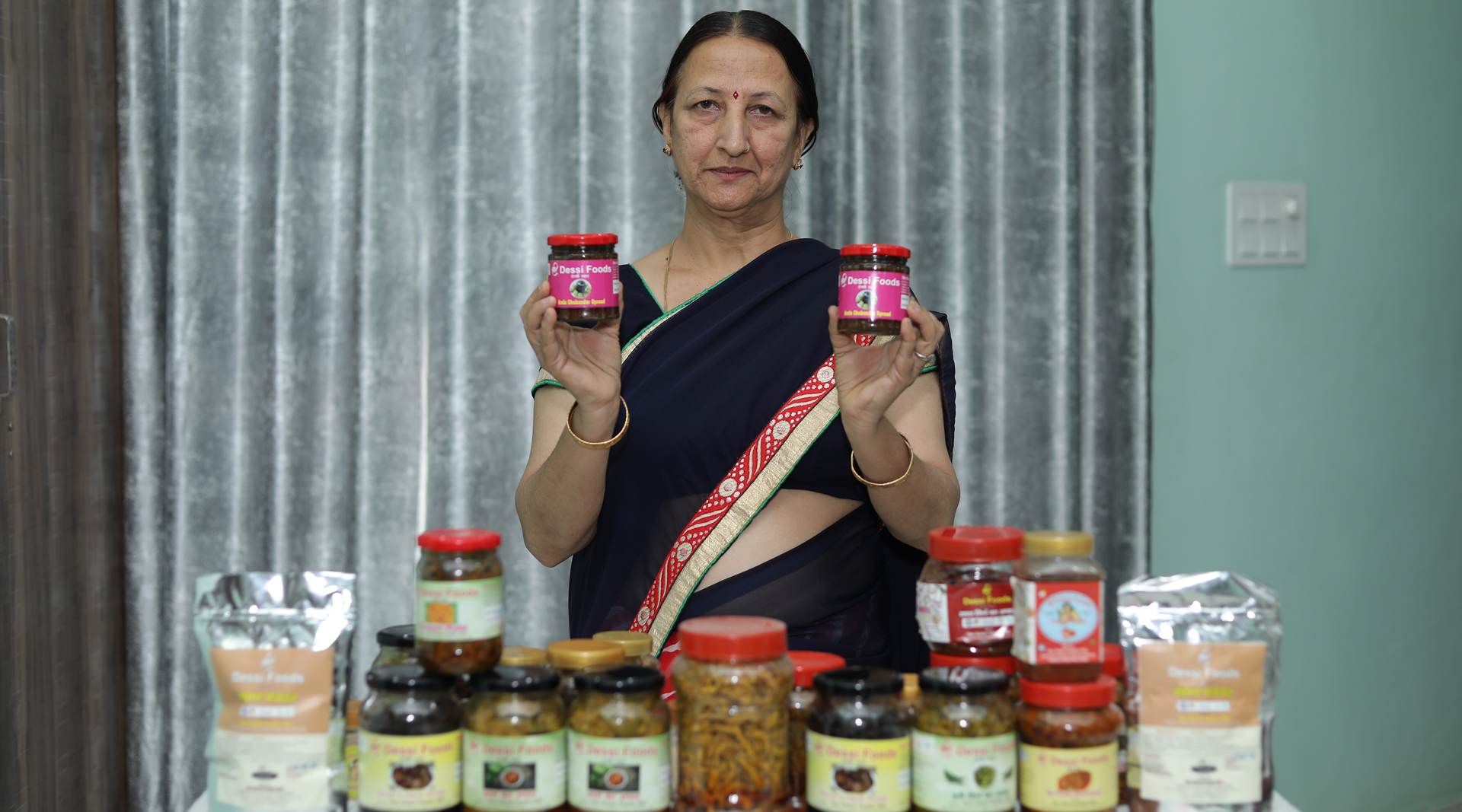
Ms. Snehlata, a food entrepreneur and owner of Shri Dessai Food Business (Photo: ACCESS)
One such story is that of Snehlata, founder of Shri Dessai Foods. At the age of 51, she transformed her traditional kitchen skills into a thriving enterprise. What began with a 10-day food processing training programme and small neighbourhood sales evolved into a formal business through persistence, learning, and institutional support. With support facilitated by ACCESS, she secured FSSAI and Udyam certifications, accessed entrepreneurship development training, and leveraged a PMFME-supported loan to expand production.
As Snehlata shares, “ACCESS helped me get my FSSAI and Udyam Aadhaar certifications. I didn’t even know such things were possible for someone like me.”
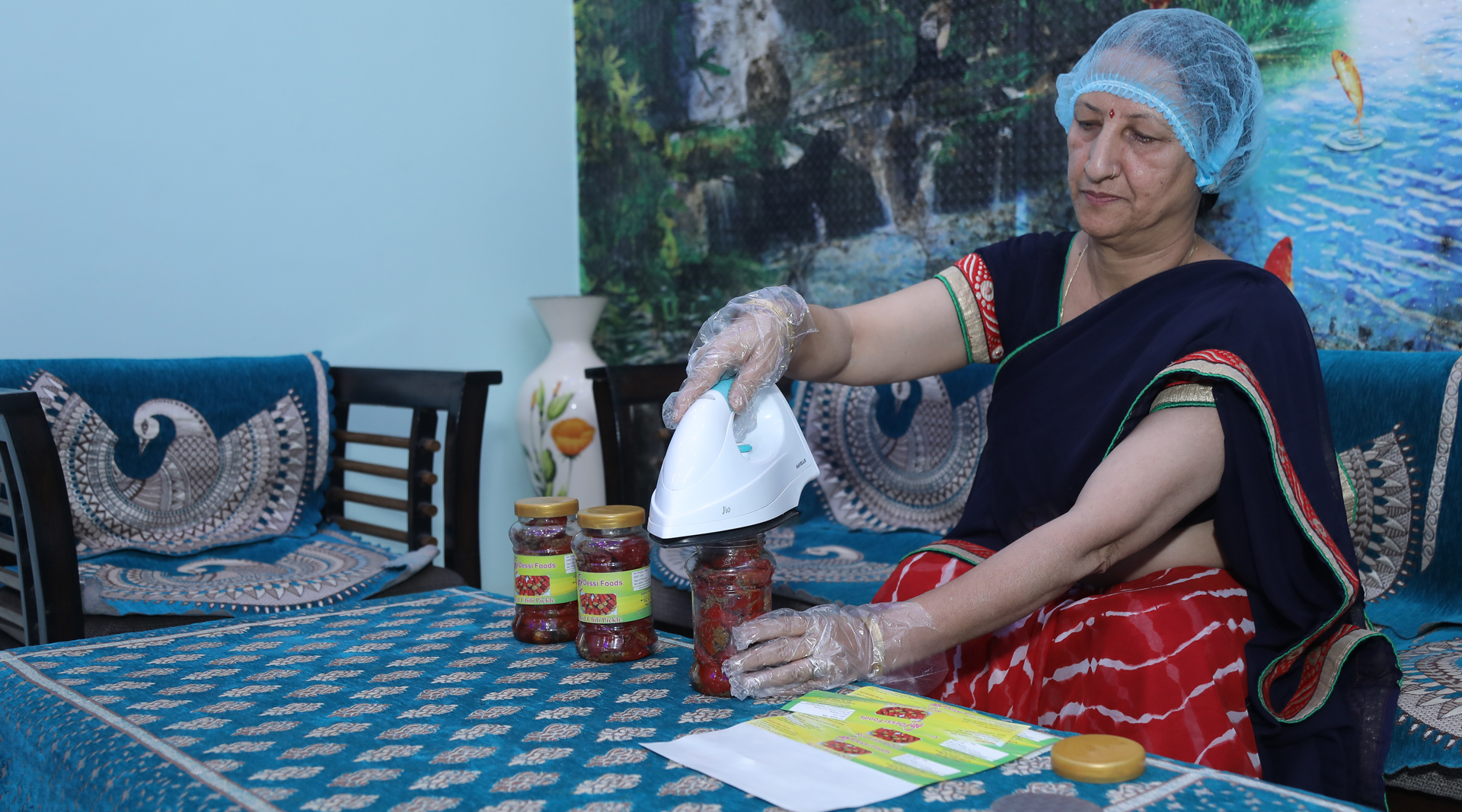
Snehlata makes fresh pickles at home and also manages the packaging by herself. (Photo: ACCESS)
That support helped her move from an informal home-based activity to a recognised enterprise. Her products have since been showcased at major platforms including Surajkund Mela and the India International Trade Fair. Beyond business success, Snehlata now engages women from her self-help group during peak demand periods, creating livelihood opportunities for others. Her aspiration to diversify into millet-based foods further reflects how micro-entrepreneurs are innovating and scaling with the right support systems.
Her story is not an exception; it represents a larger movement. India is witnessing a rise in women entrepreneurs who are reshaping the meaning of work, productivity, and leadership at the grassroots, with women-owned proprietary establishments increasing to 26.2% in 2023–24, up from 17.4% in 2010–11 (PIB).
Despite these encouraging trends, one question remains: Are we ready to support this shift at scale? Readiness will depend not only on promoting entrepreneurship, but also on investing in skills, finance, digital inclusion, and robust support systems. India’s self-employment revolution is not just about jobs—it is about dignity, resilience, and building an economy where more people can become financially independent.